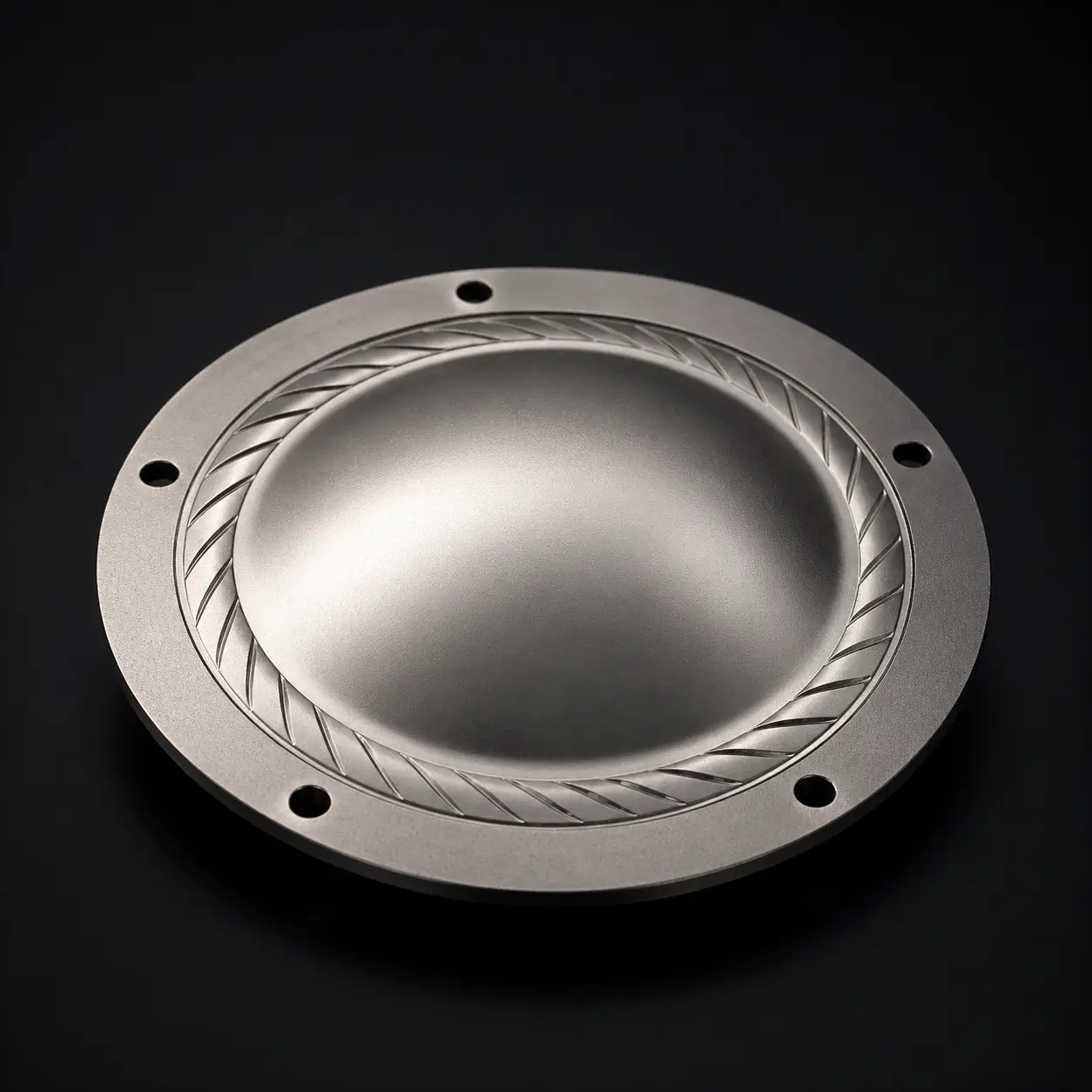
Titanium Tweeter Domes
Specify: Drawing/sample · Diameter · Dome height · Thickness · Edge
Dome components reviewed against the controlled geometry, material, surface, edge and OEM assembly interface.

Audio · Sensor · Pressure · Drawing-Based Components
Define the diaphragm role, controlled drawing or sample, titanium Grade, thickness, profile, interface, tooling, inspection, application validation and quantity before comparing quotations.
Before requesting a quote: identify the actual diaphragm function and whether HELE supplies a formed component, a joined subassembly or another defined scope. Audio response, sensor accuracy, pressure safety and medical-device compliance cannot be inferred from material Grade alone.
Titanium Diaphragm Components
The product groups support early selection. The approved drawing, model or controlled sample and its inspection plan govern the delivered component.
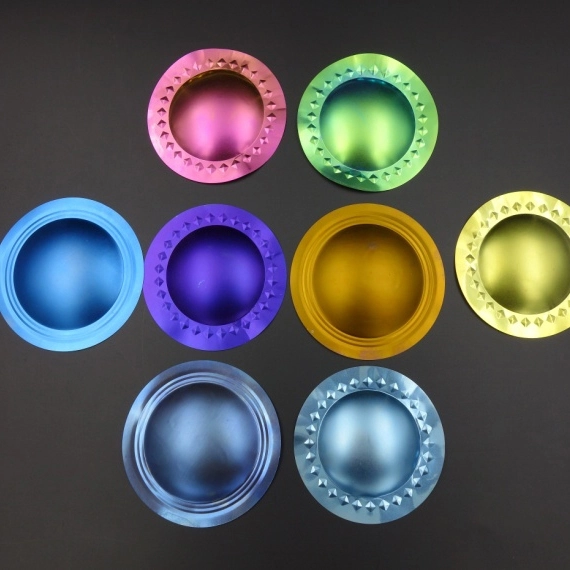
Specify: Drawing/sample · Diameter · Dome height · Thickness · Edge
Dome components reviewed against the controlled geometry, material, surface, edge and OEM assembly interface.
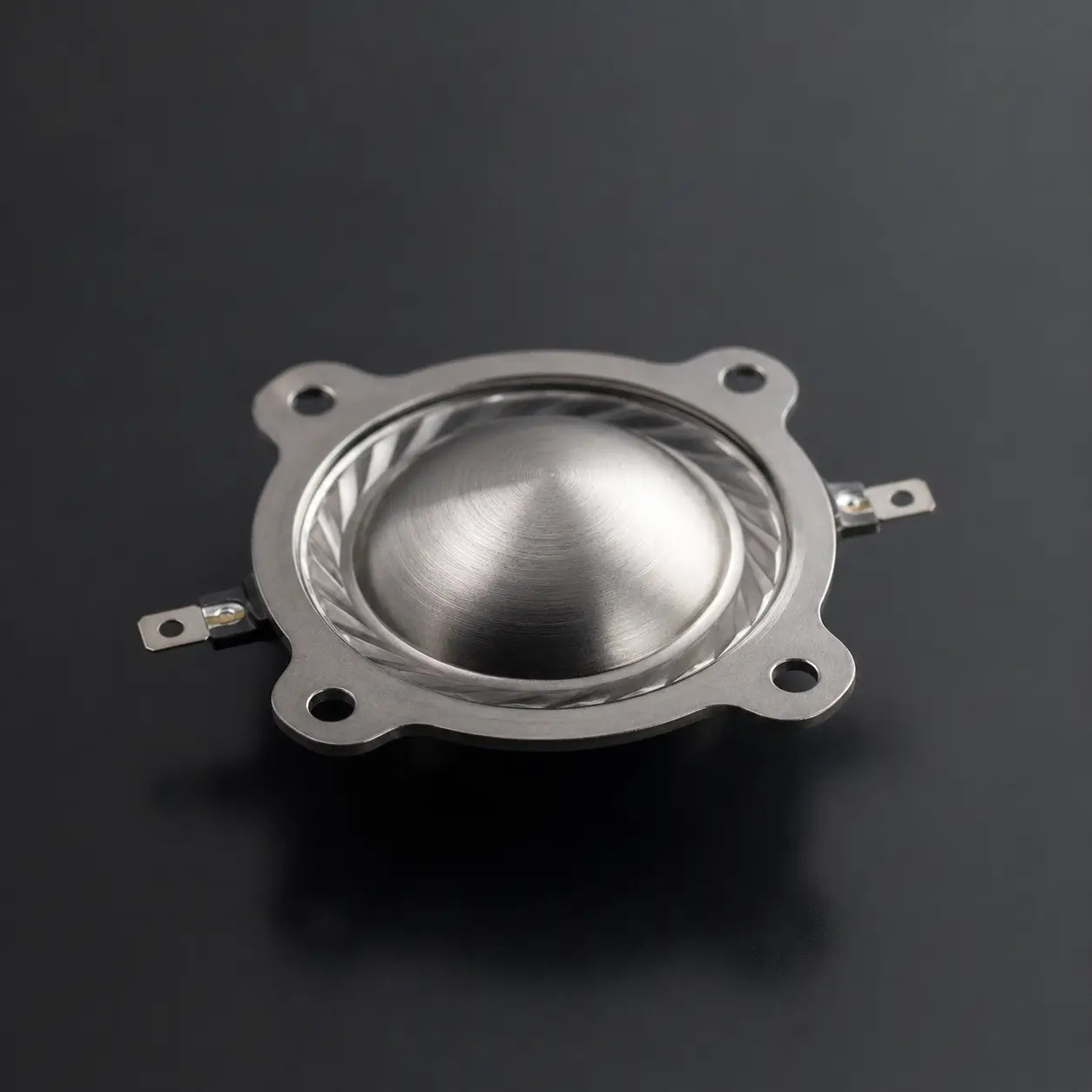
Specify: Profile · Annulus · Tabs/holes · Interface · Sample
Formed audio components developed around the buyer's product definition and approved assembly boundary.
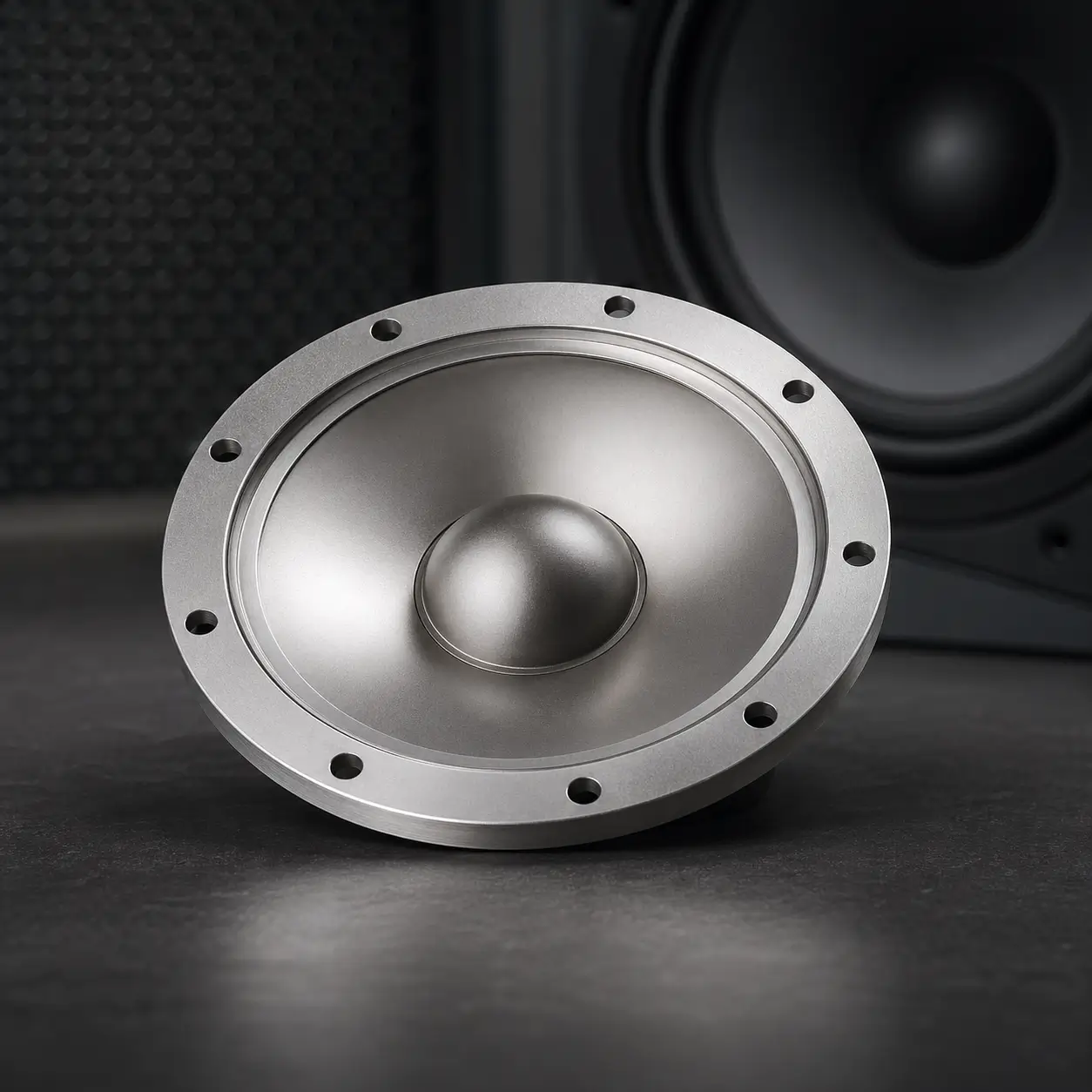
Specify: Corrugation · Pitch · Depth · Transition · Edge
Ribbed or corrugated geometry reviewed for repeatable profile, forming limits and agreed dimensional inspection.
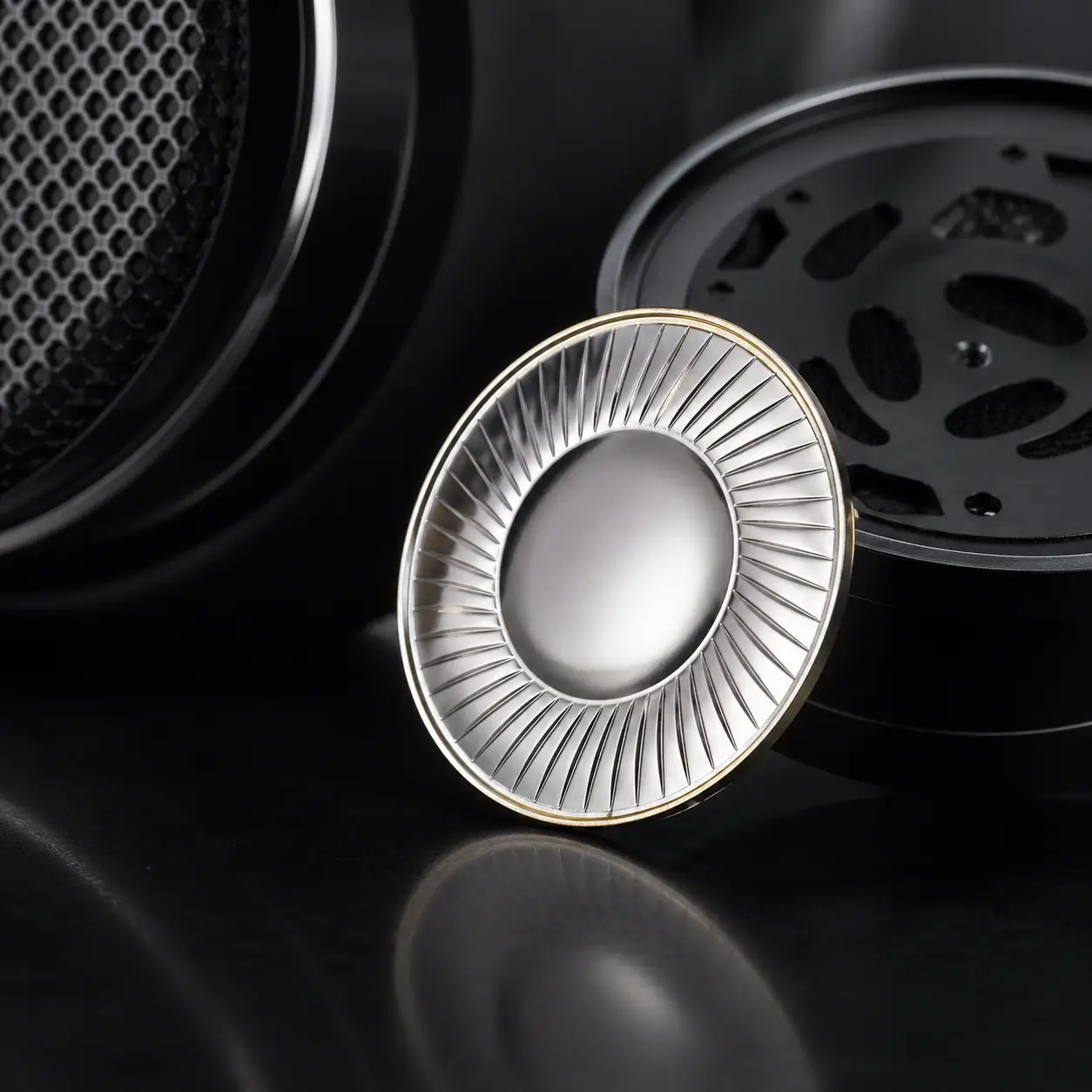
Specify: Dome · Surround · Mounting · Voice-coil interface
Drawing- or sample-based components controlled for geometry and interface; assembled driver performance remains separately validated.
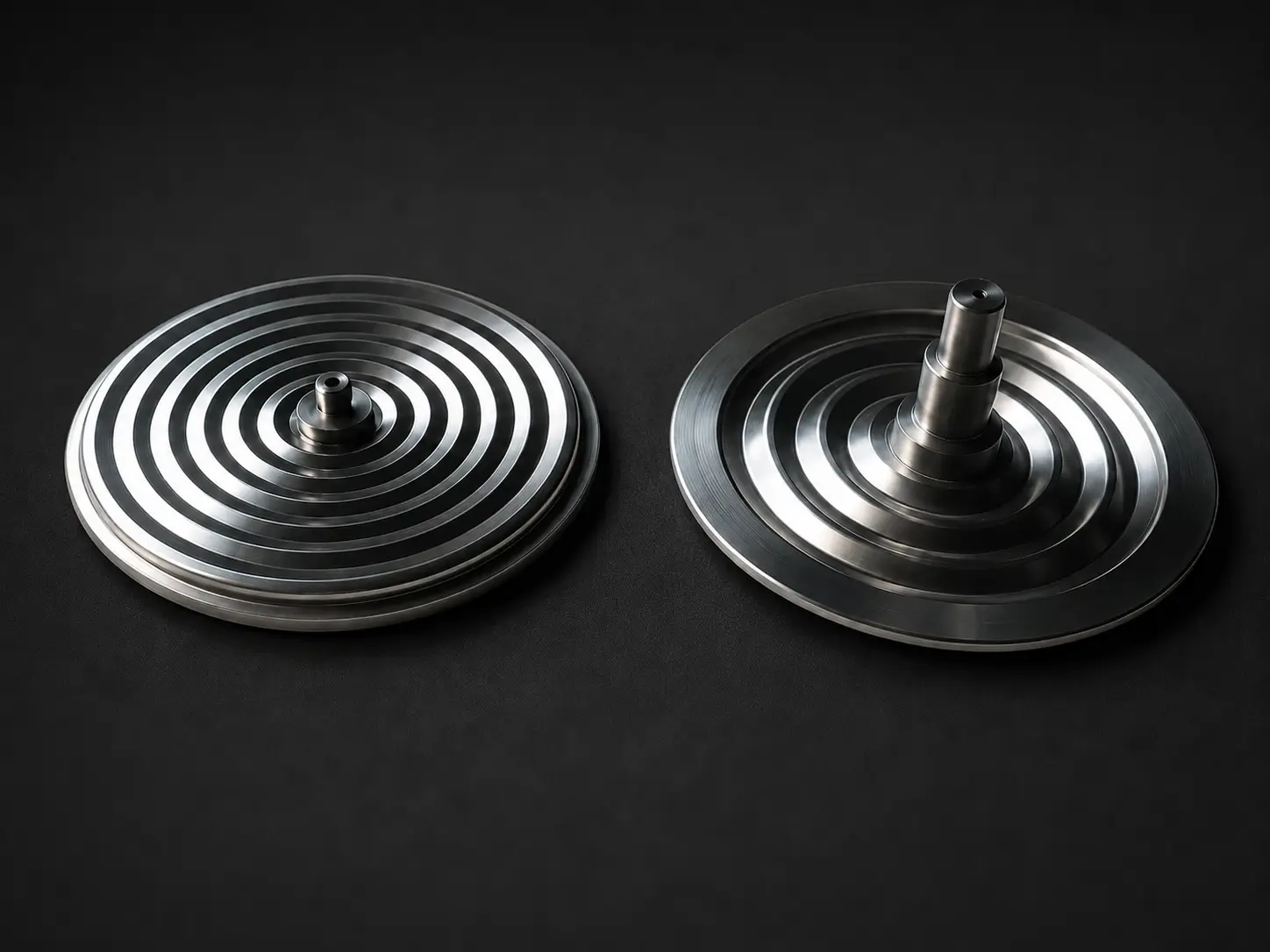
Specify: Diameter · Thickness · Flatness · Edge · Surface
Flat blanks or discs reviewed by starting material, thickness, edge condition, cleanliness and downstream forming or joining route.
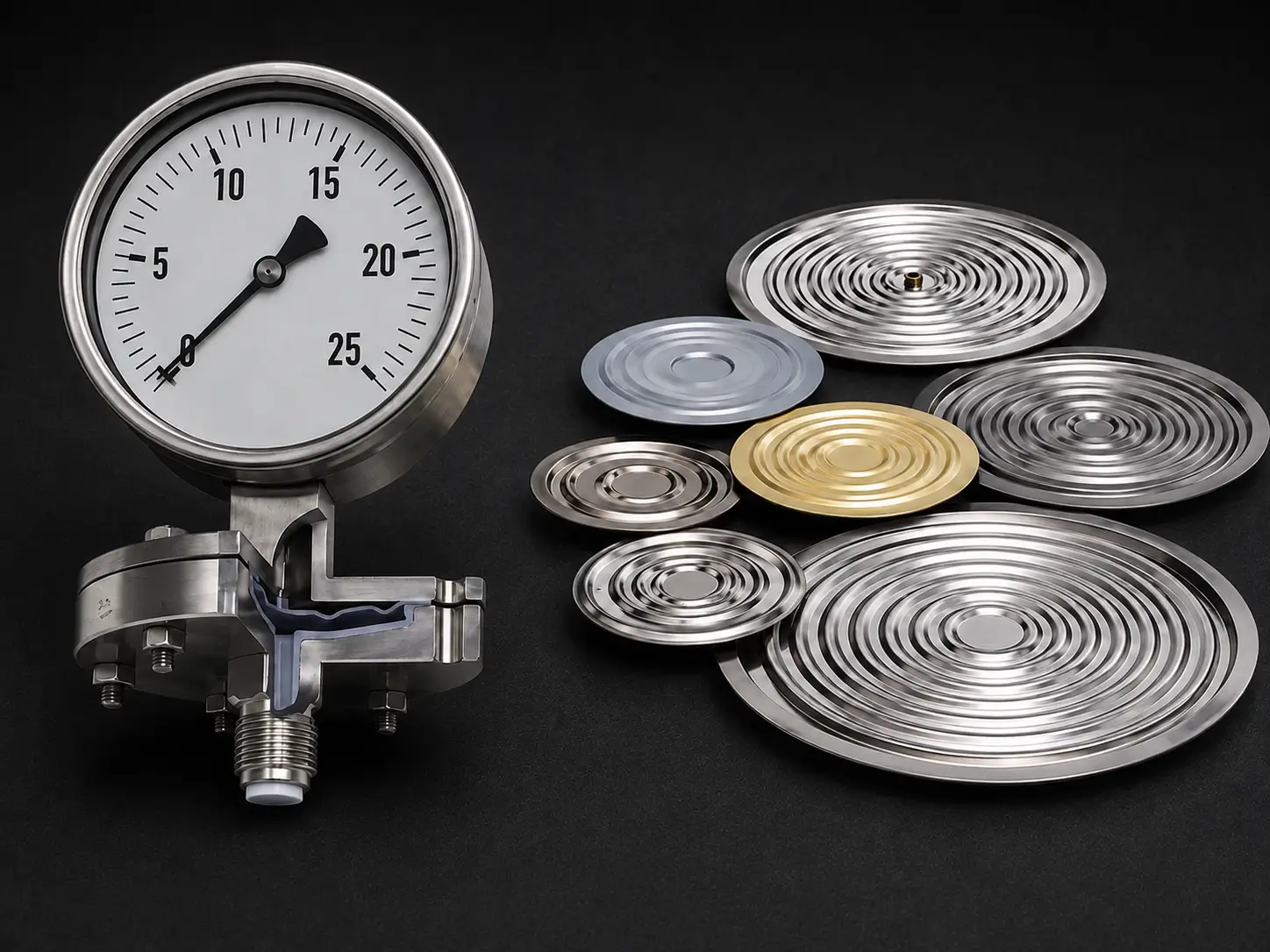
Specify: Active diameter · Profile · Support · Travel · Interface
Formed sensor or pressure components reviewed against load cases, geometry, material condition and application validation plan.

Specify: Corrugation count · Pitch · Height · Root/tip radii
Industrial corrugated components controlled by measurable profile sections, springback, thickness distribution and interface features.
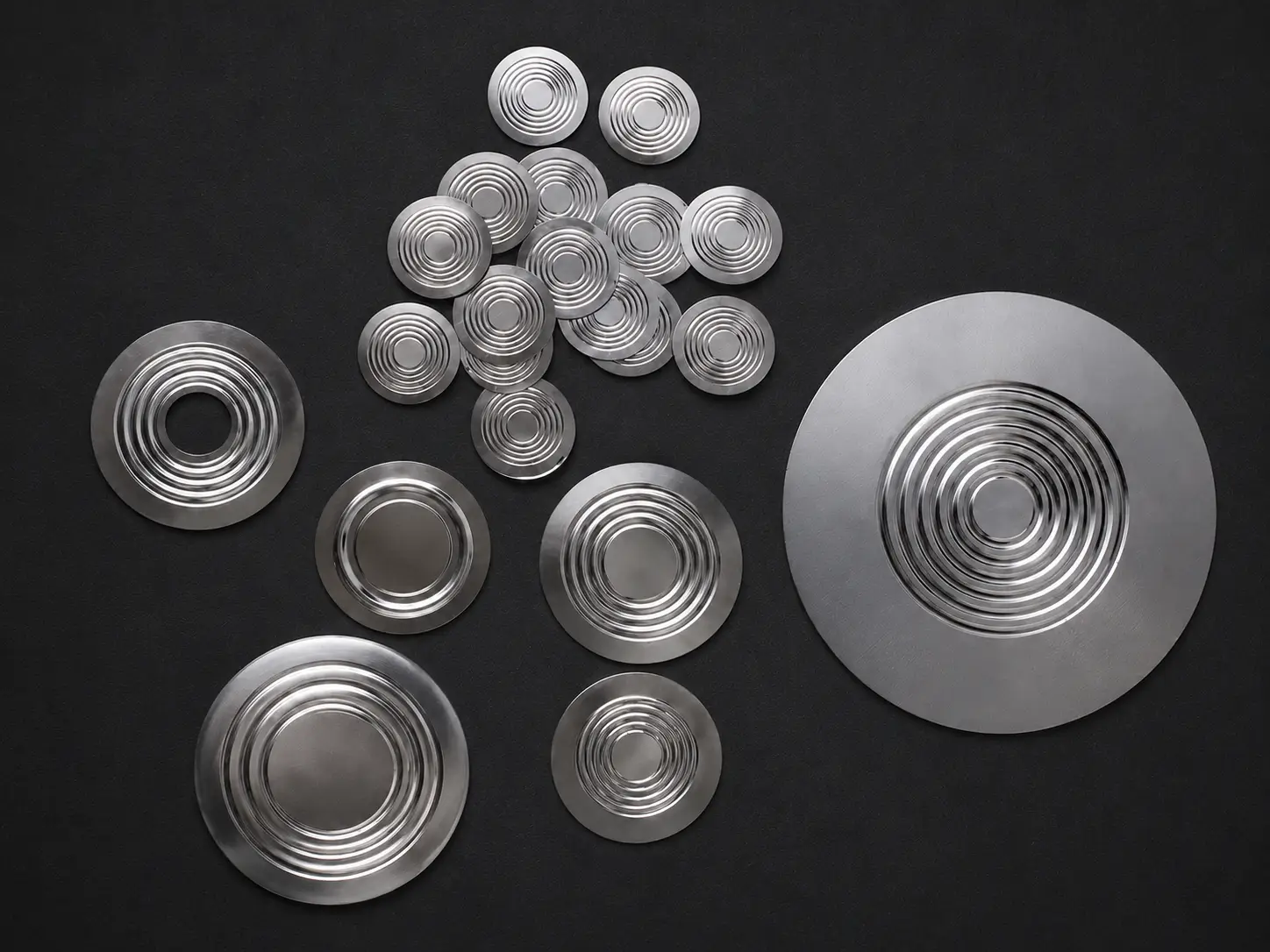
Specify: Revision · Grade · Tooling · Inspection · Validation
Custom diaphragm components supplied to an approved drawing, model or controlled sample with order-specific evidence and change control.
Forming feasibility and acceptance criteria for every item above are confirmed on quotation against your drawing or approved sample.
Solution Selection Guide
Acoustic motion, pressure sensing, sealing, isolation or another defined function.
Grade/UNS, specification, condition, nominal thickness and measurement basis.
Diameter, dome/corrugation sections, edge, holes/tabs, support and joint.
Tool ownership, prototype stage, golden sample and revision control.
Material, thickness, profile, edge, surface, dimensions and lot evidence.
Acoustic, sensor, pressure, leak, cycle or regulatory testing by the agreed owner.
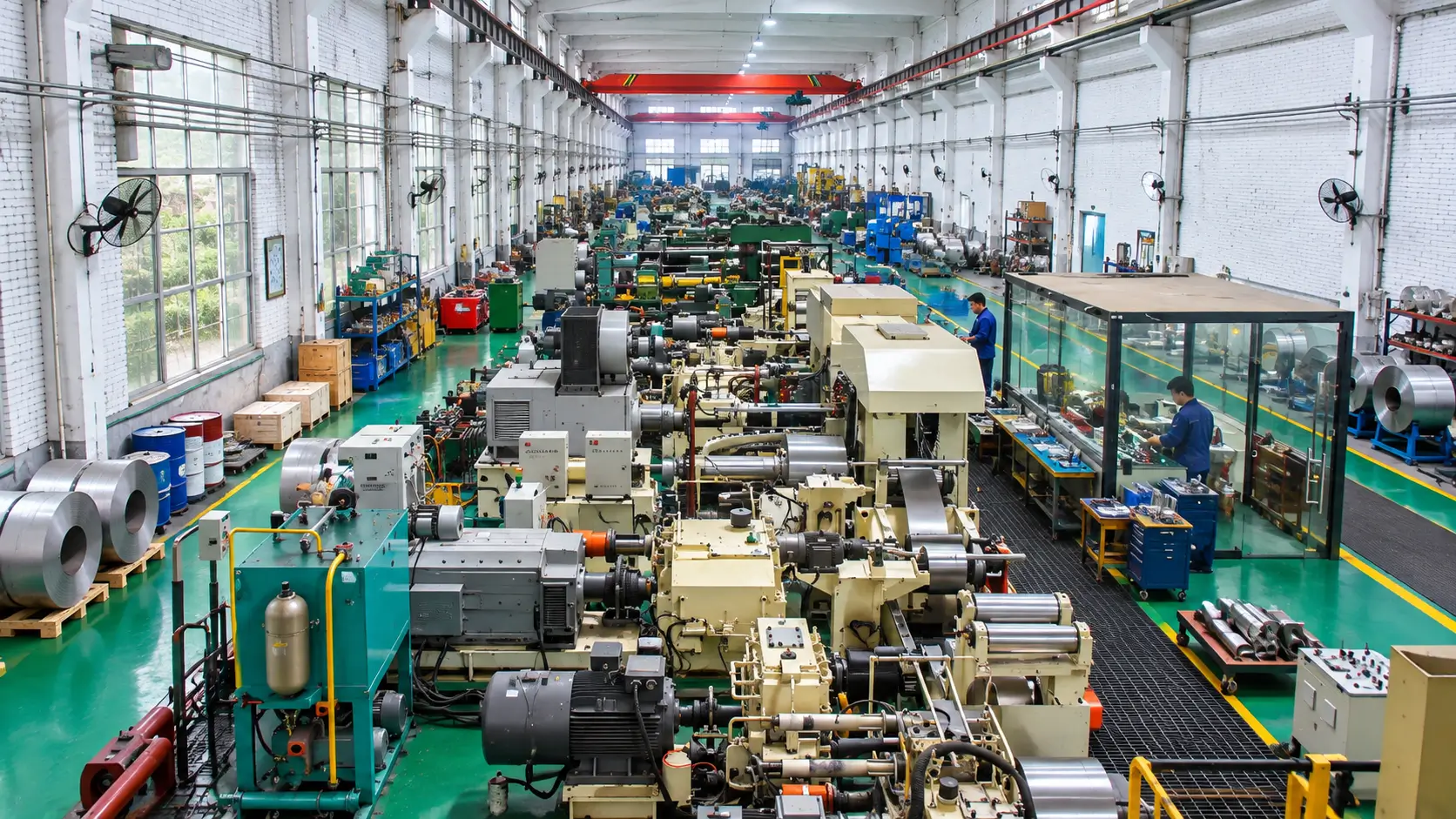
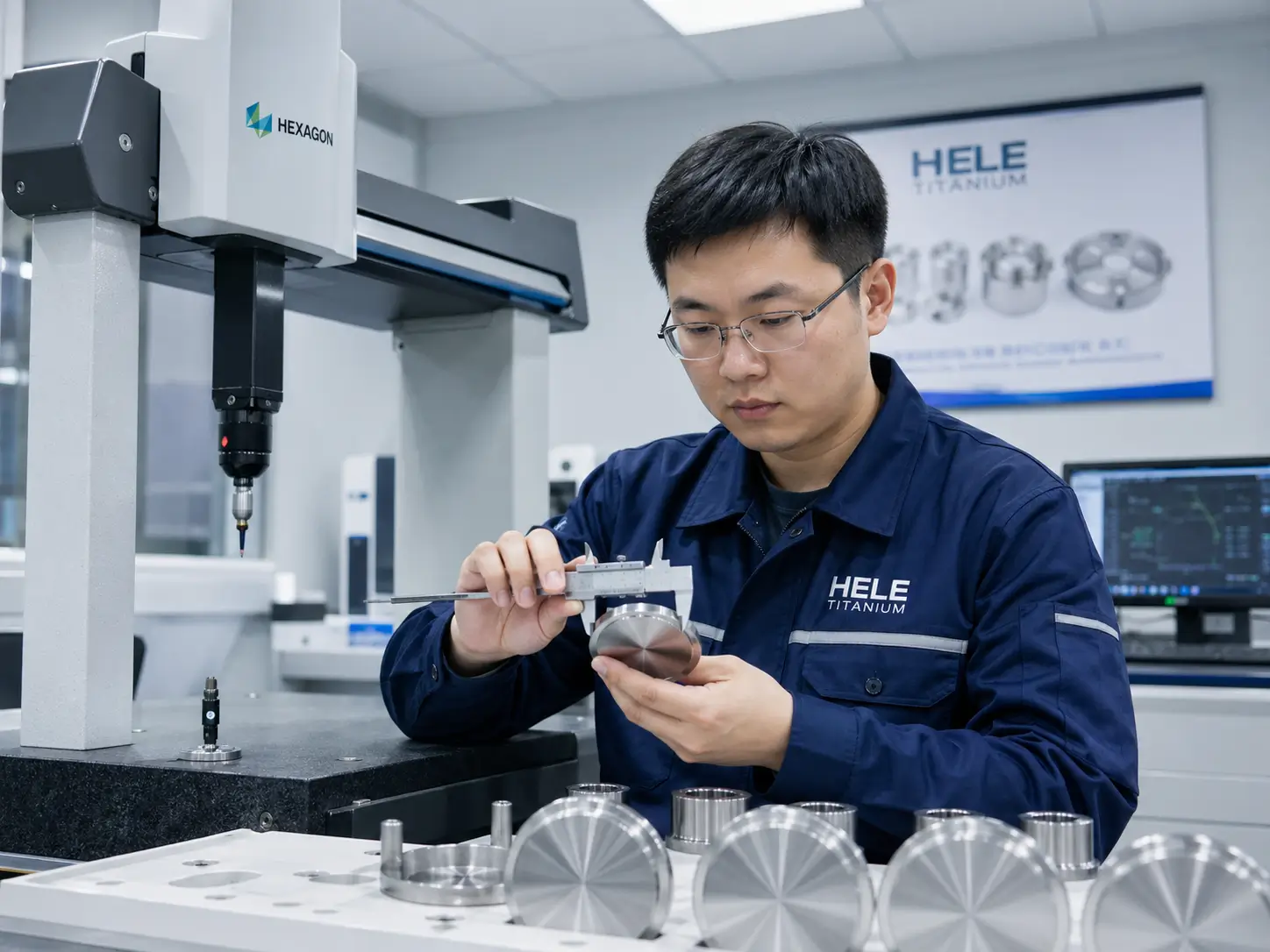
Titanium diaphragms are deep-drawn, trimmed and inspected in our own plant on tooling we design and build ourselves. We are a titanium mill first, so the strip a dome is drawn from is rolled and certified by the same group — the material condition that decides whether a thin dome draws without splitting is not something we have to ask a supplier about.
Assembled acoustic, fatigue, pressure-cycle or regulatory testing. Those are validated by the OEM or an agreed test house against the plan frozen at Definition Review. We inspect the component; we do not approve the system.
Material & Standards Map
| Reference or control | What it can cover | What still requires order-specific definition |
|---|---|---|
| ASTM B265 | Titanium and titanium-alloy strip, sheet and plate within the ordered scope and revision. | Formed profile, thickness distribution, edges, interface, joining, component inspection and functional validation. |
| ASME B40.100 | Pressure gauges and gauge attachments, including diaphragm-seal requirements within its scope. | It does not automatically govern audio, sensor, pump, valve or other industrial diaphragms. |
| ASTM F67 / ISO 5832-2 | Unalloyed titanium material used for surgical-implant manufacture within each standard's scope. | Finished-device design, forming validation, biocompatibility, sterilization and regulatory approval. |
| Customer drawing / sample plan | The component geometry, interface, inspection and acceptance criteria agreed for the order. | Complete assembly performance unless explicitly included and tested. |
Process Review
The actual forming and trimming route is selected only after material, thickness, geometry, tooling, quantity and acceptance are reviewed.

Freeze role, files, revision, material, geometry, interfaces, load cases and validation owner.
Confirm blank, forming, trimming, edge, cleaning, joining and controlled external operations.
Inspect the component and, where required, validate the assembly against an approved test plan.
Link material, tooling, settings, inspection, golden sample, deviations and release documents.
Applications
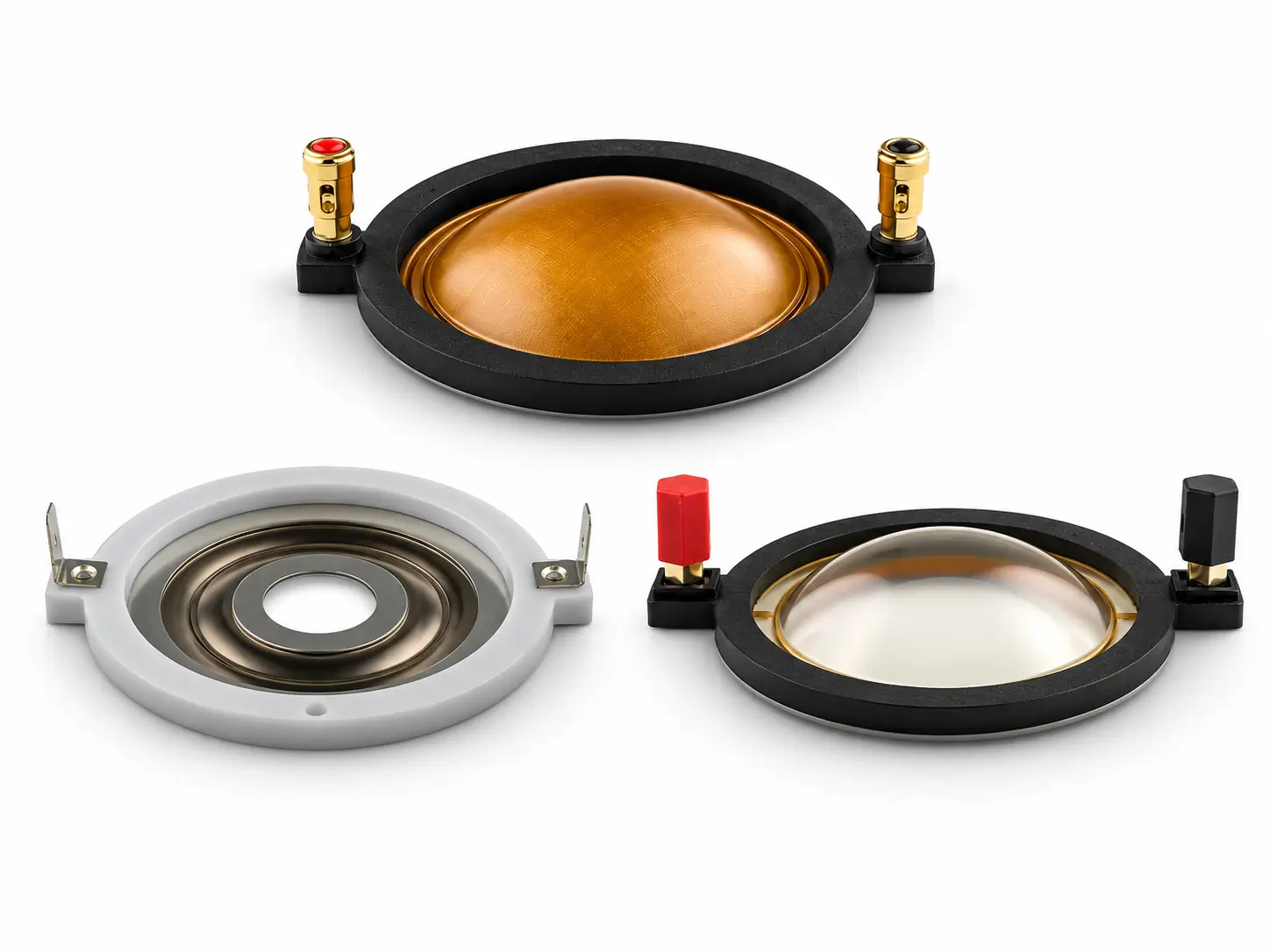
Control dome or cone profile, thickness, edge, surface, interface, tooling and the OEM's assembled acoustic validation method.
Review the application context →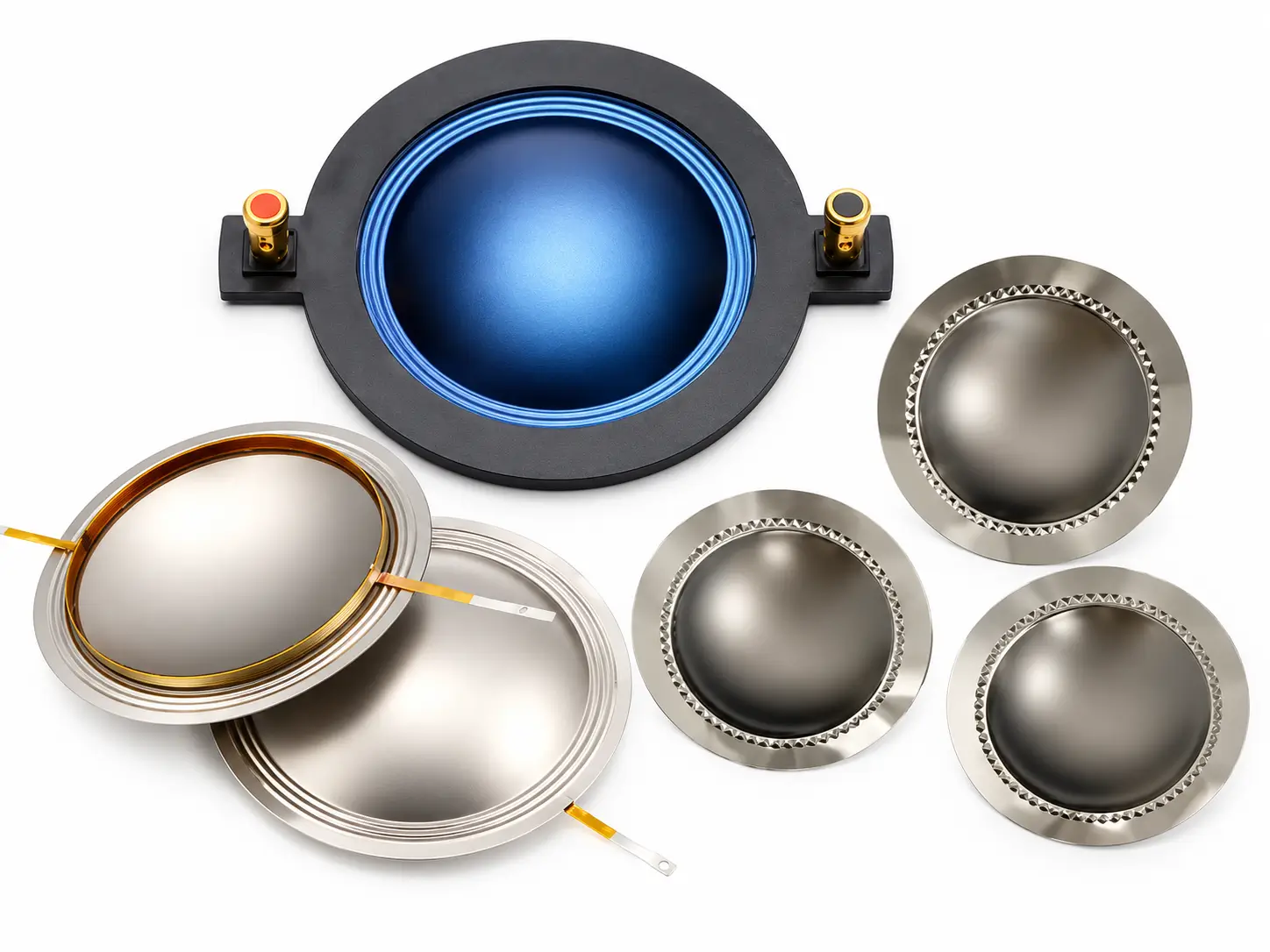
Define dome, annulus, mounting and voice-coil interfaces while keeping component conformity separate from complete-driver performance.
Review the application context →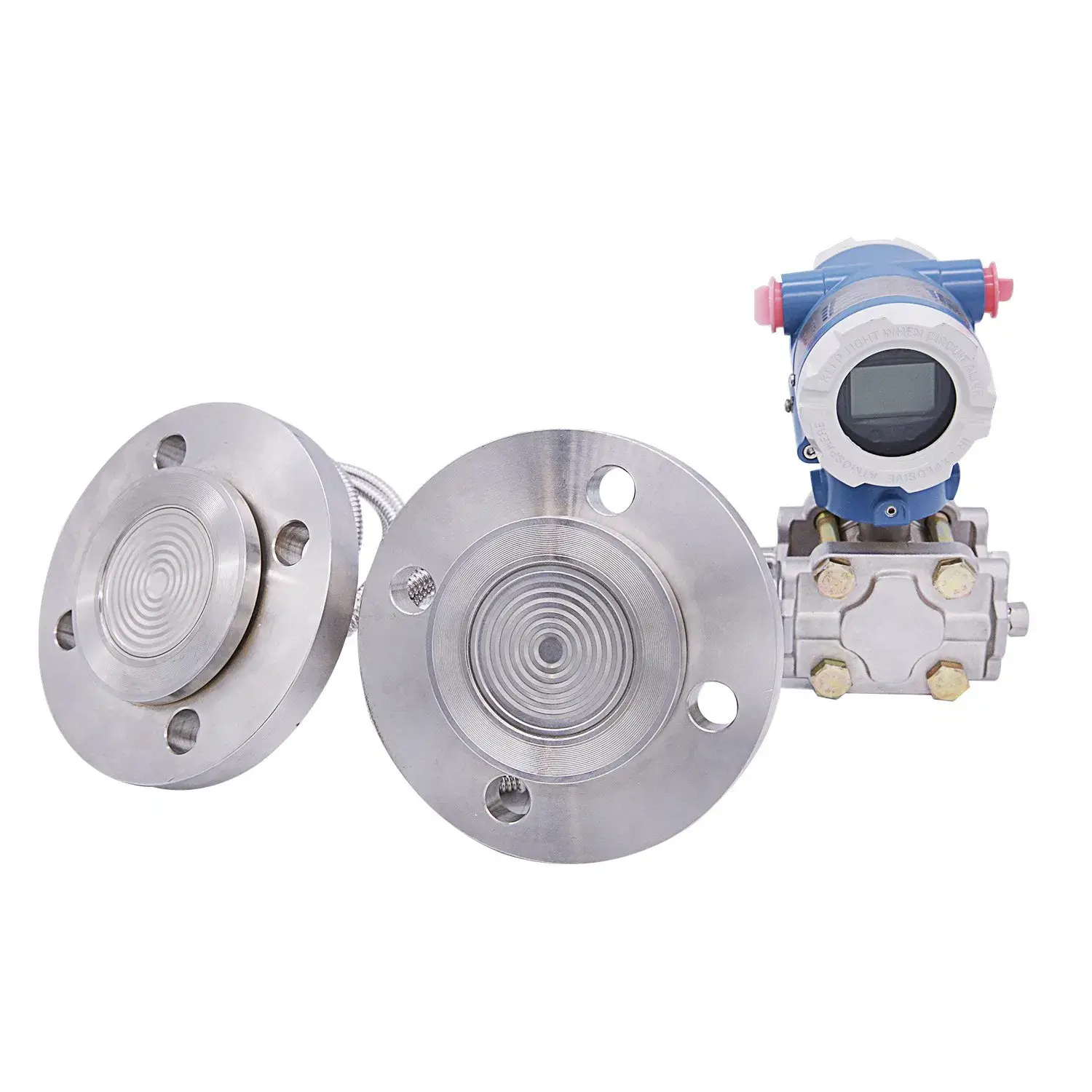
State media, pressure direction, temperature, cycle duty, active diameter, joint, travel, proof/burst/leak and system-validation responsibility.
Review the application context →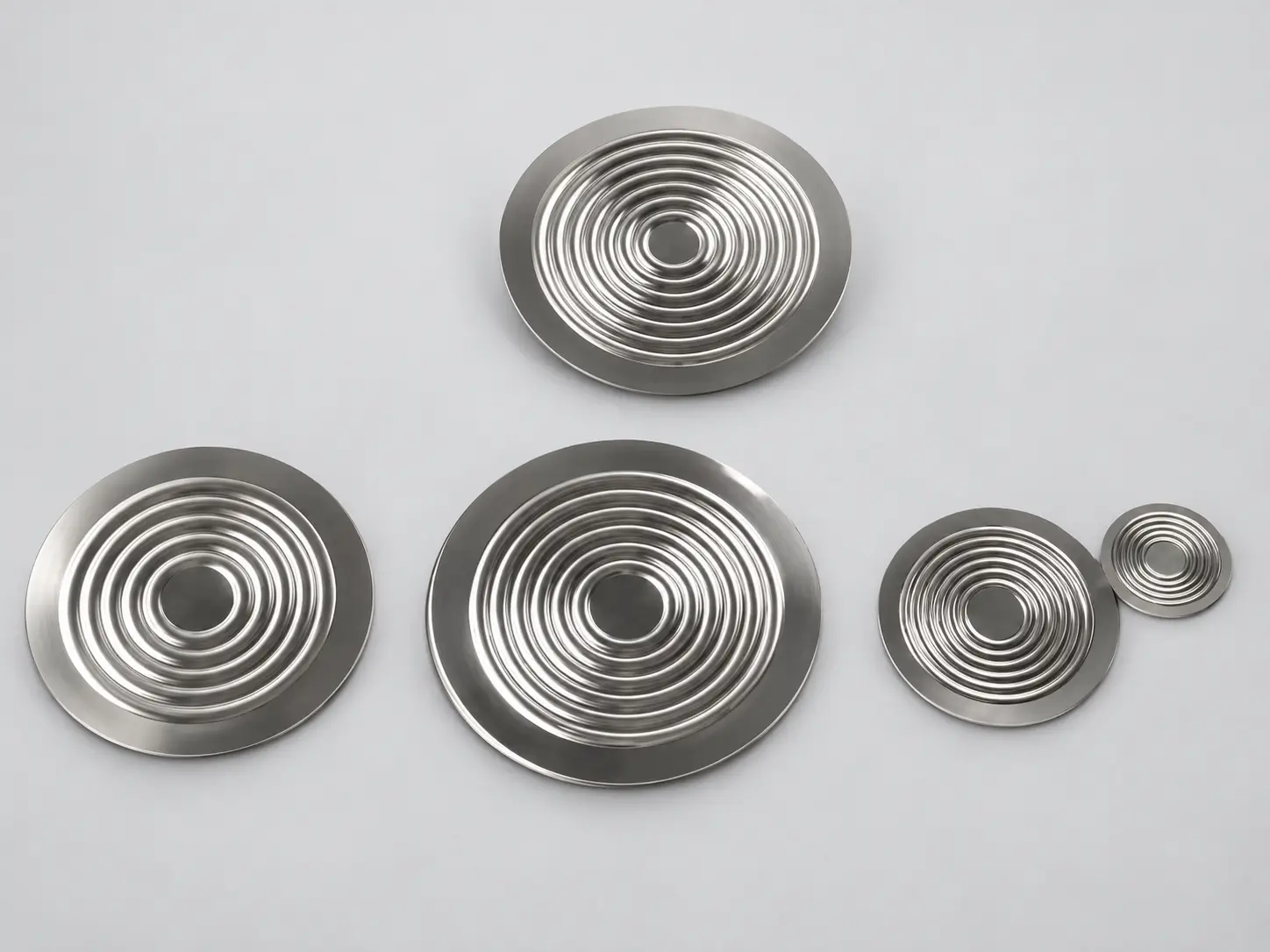
Freeze the product role, load case, material, profile, interface, inspection, traceability and change-control requirements.
Review the application context →Inside HELE Titanium
See the forming, trimming, inspection and handling environment for
Purchase Guard
Align component role, product definition, material, thickness, profile, interface, tooling, prototype, component inspection, system validation, traceability, change control and commercial scope before order release.
FAQ
Provide the diaphragm role, controlled drawing or approved sample, titanium Grade or UNS and material specification, thickness, diameter, formed profile or corrugation, interface and edge details, quantity, tooling status, inspection, validation responsibility, documentation and packing.
A sample can support comparison or reverse-engineering review, but it should not silently become the full acceptance standard. Define which dimensions, profile, material, surface and performance characteristics the sample controls, how it is measured and how the master sample is preserved.
No. Selection depends on the material specification, thickness availability, forming route, strength, stiffness, fatigue or cycle duty, corrosion environment, joining route and qualified assembly performance. Confirm the exact Grade and condition for the order.
No. Acoustic performance is an assembly result influenced by dome and surround geometry, thickness distribution, edge condition, adhesive or joint, voice coil, motor, enclosure and test method. Component inspection and assembled transducer testing are separate controls.
State media, pressure differential and direction, normal/overpressure/vacuum cases, temperature, cycle profile, active diameter, supports, interface or weld, displacement or sensitivity target, proof/burst/leak requirements and validation responsibility.
No. ASTM B265 applies to titanium and titanium-alloy strip, sheet and plate within its scope. Finished diaphragm conformity still depends on the approved geometry, forming, trimming, joining, inspection and application-specific validation.
Unknown items can remain open for review. State which characteristics are critical and who approves the component and complete assembly.